A little more understanding. A little less overload.
The Brief brings together AI news from the AI Empowerment Observatory and explains what each source says in everyday language. You can read a short summary, follow the original reporting and join a thoughtful conversation.
Headlines that tell you something
Our own headlines lead with the main development or finding. A company's claim stays a claim. A forecast stays a forecast. A small study stays a small study. If we have not written a summary, we show the publisher headline, translated into English where needed, and link directly to the reporting.
Automated tools draft new summaries from the retained source text. Checks look for unsupported claims, changed sample groups, copied wording and misleading certainty. These checks can make mistakes; the original reporting remains the reference.
What changes for people and for AI?
We read those questions separately. A story can describe benefits, downsides, both, or no direction on either side. Incomplete evidence remains visible without being treated as a finding.
English publication, multilingual sources
The Brief presents news, research and cultural display text in English without restricting collection to English-language sources. Automatically prepared translations are labelled. Original evidence, creator credits and source links are preserved. Where a translation is unfinished, an English notice appears instead of untranslated prose. Translation can introduce mistakes; the originals remain the reference. Images, recordings and linked original websites remain unchanged.
Five discovery markets
The Observatory gathers English, French and Chinese reporting through searches in Canada, China, France, the United Kingdom and the United States. These are discovery markets, not a claim that the story happened there or that the sample represents the whole world. A story discovered in more than one market can appear in more than one filter.
Research with its limits attached
The research feed links to papers and uses their actual findings. Preprints are labelled. When a summary is based on an abstract, we say so. Publication venue, study scope and limitations stay alongside the finding.
A new reading order each day
The Observatory supplies a weekly news edition. Each day, we rotate its front-page highlights and reading order across the five discovery markets. Every story remains available; its reporting date stays the same. You can choose newest reporting or actual readership instead.
A daily pause
Art, poetry, reading, a quotation and music offer another way to spend a moment here. Five works are selected daily from a stored collection of 2,000 entries: 400 artworks, 400 poems, 400 short readings, 400 quotations and 400 music recordings. Entries do not repeat within the 400-day calendar. Creator nationality or cultural background, translation credits, original dates and sources stay with each work. Historical views belong to their authors; the selection is an invitation to explore. Images and passages are stored in advance. Music loads from its credited host when you press Play. The date of our selection does not make an older work new. Creative works are separate from the news and research counts.
Conversations and readership
Reading is open. An email sign-in lets you like and discuss a story. Comments are checked before publication. The most-read list uses opted-in sessions with at least 20 seconds of active reading and half of the article reached, once per story per session per day. It is an indication of readership, not a measure of quality or a verified count of people.
Independent editorial choices
Advertising does not change story ordering, classification or the research record. Adverts do not buy favourable summaries.
A research initiative by Kedma Hamelberg
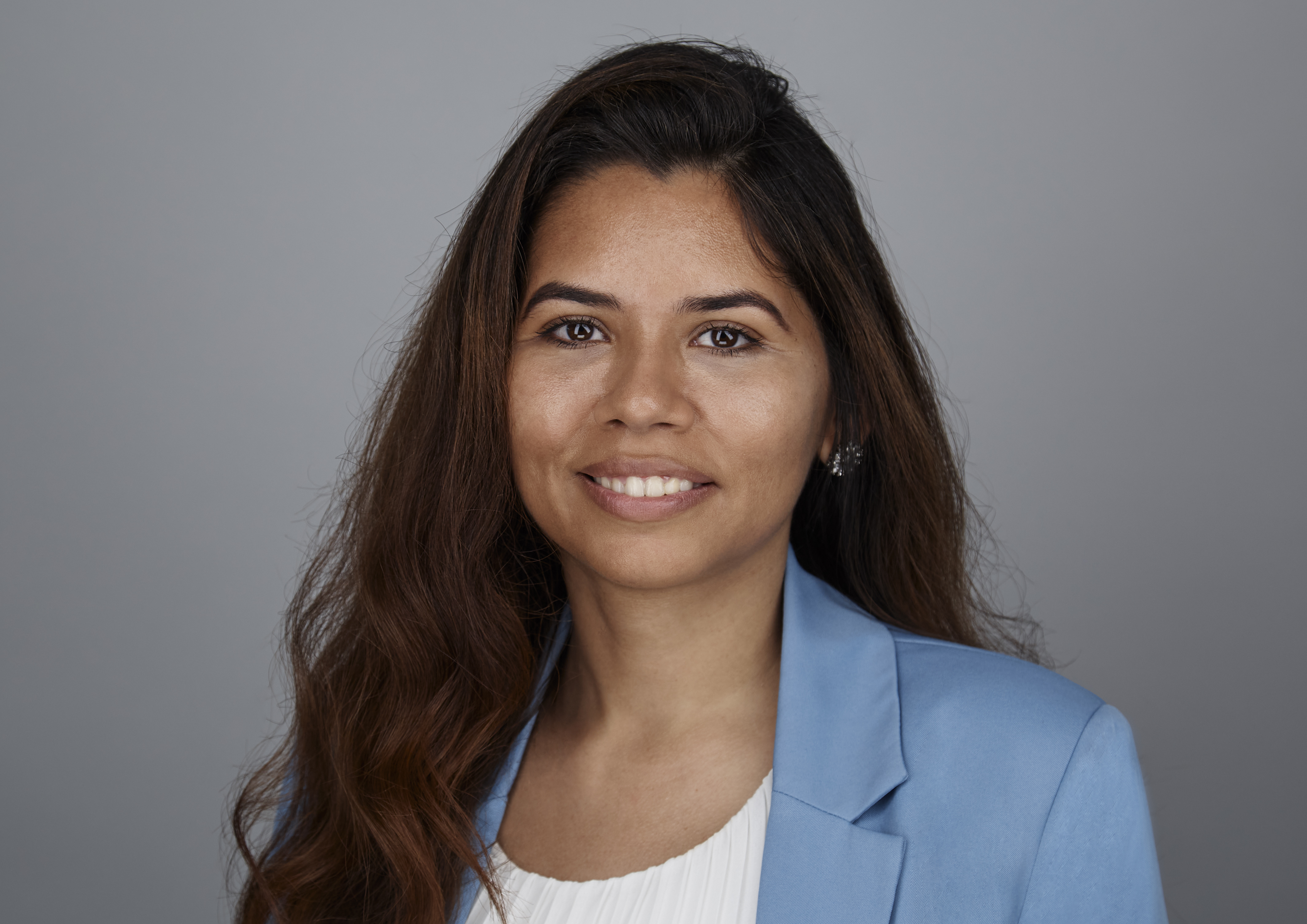
The Brief was created by Kedma Hamelberg, PhD, an applied AI researcher, builder and educator. It is part of her work on AI, communication and human empowerment. Visit the AI Empowerment Observatory →